Close
Close
At Canterbury Legal, we understand that insolvency isn’t just about advisory work – when disputes arise, strong litigation capability makes the difference between recovering value and accepting losses.
Our team combines deep local knowledge of the Canterbury and wider South Island commercial landscape with significant litigation experience, including international expertise in cross-border enforcement and complex creditor disputes.
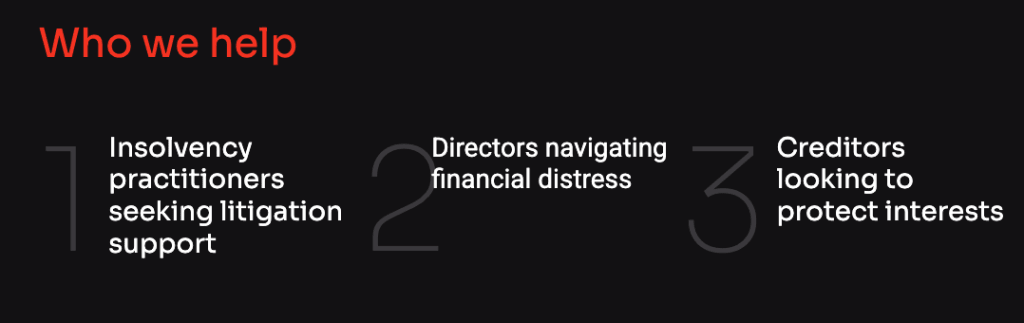

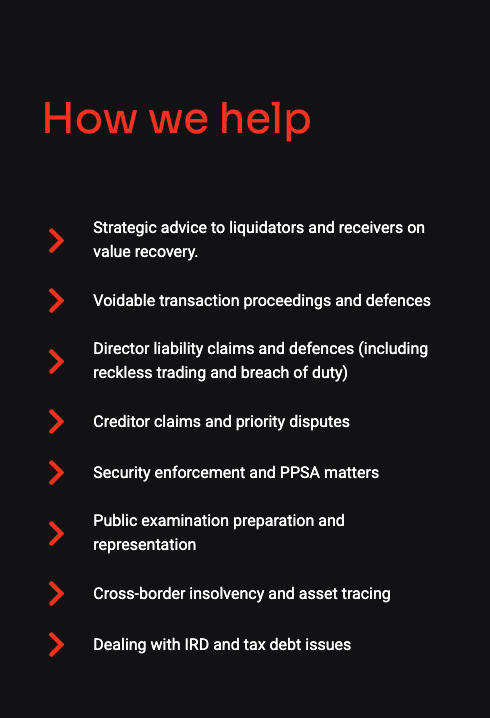
Our team stays at the forefront of legislative changes, case law developments, and practical solutions that work in the real world of insolvency practice.
New Zealand's insolvency law is experiencing its most significant period of change in over 30 years. The combination of legislative reform, rising insolvency numbers, and important case law developments creates both challenges and opportunities for those operating in this space.
For insolvency practitioners, the extended claw-back periods and director identification systems will enhance recovery prospects. For directors and advisors, the changing landscape heightens the importance of early professional advice and proper documentation of decision-making.
At Canterbury Legal, we're committed to helping our clients navigate these changes with clarity and confidence. Insolvency is often a difficult process, but with strategic legal support and a clear understanding of the evolving legal framework, better outcomes are achievable.

The statistics are stark. 1,974 company liquidations – a significant increase, making it one of the busiest insolvency years since the Global Financial Crisis.

Minister Andrew Bayly has announced the most comprehensive reform of New Zealand’s Companies Act in its 30-year history, with direct implications for insolvency practice.

As we look toward 2026, several trends are likely to shape the insolvency landscape: we cover off what this could mean for you.