Disputes of $30,001 to $60,000: can you use the Disputes Tribunal?
New Zealand’s Disputes Tribunal can hear eligible civil claims up to $60,000 following the increase on 24 January 2026. A claim’s value does not establish eligibility by itself: the dispute type and legal restrictions still matter. Check the current filing fee and evidence before choosing the Tribunal or another forum.

What changed for claims above $30,000?
The financial ceiling increased from $30,000 to $60,000 on 24 January 2026. Some disputes previously outside the Tribunal’s monetary jurisdiction can therefore be considered there. The change does not mean every claim under $60,000 belongs in the Tribunal.
This guide focuses on the additional value range. It complements our existing Tribunal preparation article; check current official guidance if older material refers to the previous limit.
How do you check whether the claim is eligible?
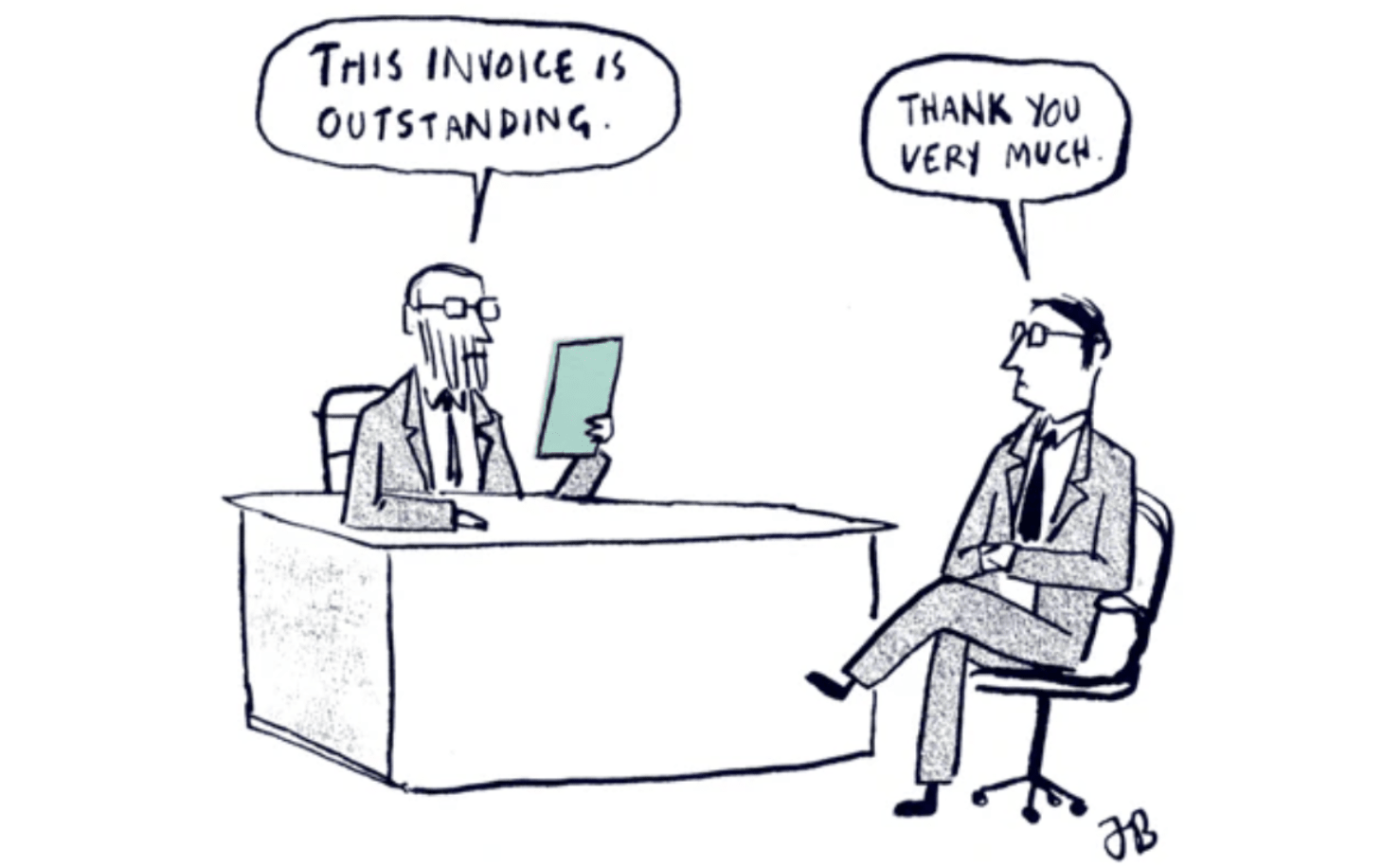
Check both the amount and the subject matter. The Tribunal’s official guidance explains the disputes it can and cannot hear. It is not a debt-collection agency for a debt the other person accepts but simply does not pay.
| Question | Why it matters |
|---|---|
| Is there an actual dispute? | Identify what liability or amount the other party contests. |
| Is the subject within jurisdiction? | Some disputes have another forum or are excluded. |
| What remedy and amount are claimed? | Explain the calculation and the outcome sought. |
| Who is the correct respondent? | A trading name may not identify the contracting person or company. |
Do not assume that a customer’s silence proves a qualifying dispute. If the issue is recovery of an accepted debt, obtain advice about an appropriate collection process.
What is the current filing fee for this value range?
The Tribunal’s forms-and-fees page, updated in July 2026, lists $496 for a claim from $30,001 to $60,000. That supersedes the $468 figure in the earlier announcement of the jurisdiction change. Check the current fee again when filing.
The application fee is non-refundable. The referee may order repayment of the filing fee if the claim succeeds in whole or part, but that is discretionary. Budget for the process rather than assuming every expense will be recovered.
Can a lawyer present the case for you?
You usually present your own case; a lawyer cannot make the case for you at the hearing. You can obtain advice beforehand. Representation rules for particular parties or circumstances should be checked with the Tribunal.
Legal help can clarify the claim, identify missing evidence and test whether the requested remedy fits the problem. Our civil and commercial disputes team can help assess those issues without promising to act as your hearing advocate.
What evidence should you organise?
Prepare a clear chronology and documents that support the disputed points. The amount claimed should be traceable to the evidence.
- Set out the agreement and what each side says happened.
- Identify the issues the referee needs to decide.
- Organise relevant contracts, messages, photographs and invoices.
- Explain the calculation, including payments and credits.
- Identify witnesses and any important contrary evidence.
For a disputed repair bill, for example, the contract, work records and explanation of defects may matter more than a large bundle of unrelated correspondence. Keep the presentation focused and accurate.
Does winning guarantee payment?
No. An order and actual recovery are different outcomes. Enforcement may require further steps through the court, and the other party’s ability to pay remains relevant. Discuss that practical risk before committing significant time to a claim.
Contact Canterbury Legal with the dispute summary and documents. We can help assess the forum and next step, including debt recovery options where appropriate.
What other questions do people ask?
Is the old $30,000 limit still correct?
No. The ceiling increased to $60,000 on 24 January 2026 for eligible claims.
Is the filing fee for a $50,000 claim still $468?
The Tribunal’s current published fee checked on 28 October 2026 is $496 for claims from $30,001 to $60,000. Recheck the fee before filing.
Can I use the Tribunal just because an admitted debt has not been paid?
The Tribunal’s guidance says it cannot act as a debt-collection agency for an undisputed debt. Obtain advice about the appropriate recovery process.
Which official sources explain these rules?
- Ministry of Justice: jurisdiction increase
- Disputes Tribunal: what it can help with
- Disputes Tribunal: current forms, fees and legal help
- Ministry of Justice: collecting civil debt
Information checked on 28 October 2026. This article provides general information about New Zealand law and is not a substitute for advice about your circumstances.